What Did It Cost to Build OTR 2
Disclosure: This article is for informational purposes only. We do not use affiliate links and earn no commission from any programs mentioned.
Last updated: June 2026
With its rapid growth and ambitious feature set, many players have started asking the same question: What Did It Cost to Build OTR 2? Within weeks of its launch on Android and iOS at the end of May 2026, the official Google Play listing showed over 1,000,000 downloads, and third-party app-store trackers placed it among the top-ranked titles in the racing category. This analysis is based on publicly available information, including store listings, developer announcements, and comparable indie mobile production budgets—and the honest answer involves more estimation than exact numbers.
Estimated Off The Road 2 (OTR 2) Development Cost
Based on the game’s scope, its multi-year development timeline, the studio’s size, and comparisons with similarly featured indie mobile games, a reasonable estimate falls between $200,000 and $750,000 USD. DogByte Games has never published an official figure, so treat this as an informed approximation, not a confirmed number.
| Item | Estimate |
|---|---|
| Studio | DogByte Games |
| Team Size | Small indie team |
| Development Time | Multi-year |
| Official Budget | Not publicly disclosed |
| Estimated Cost | $200,000–$750,000 USD |
| Confidence | Moderate (industry estimate) |
What Exactly Is OTR 2?
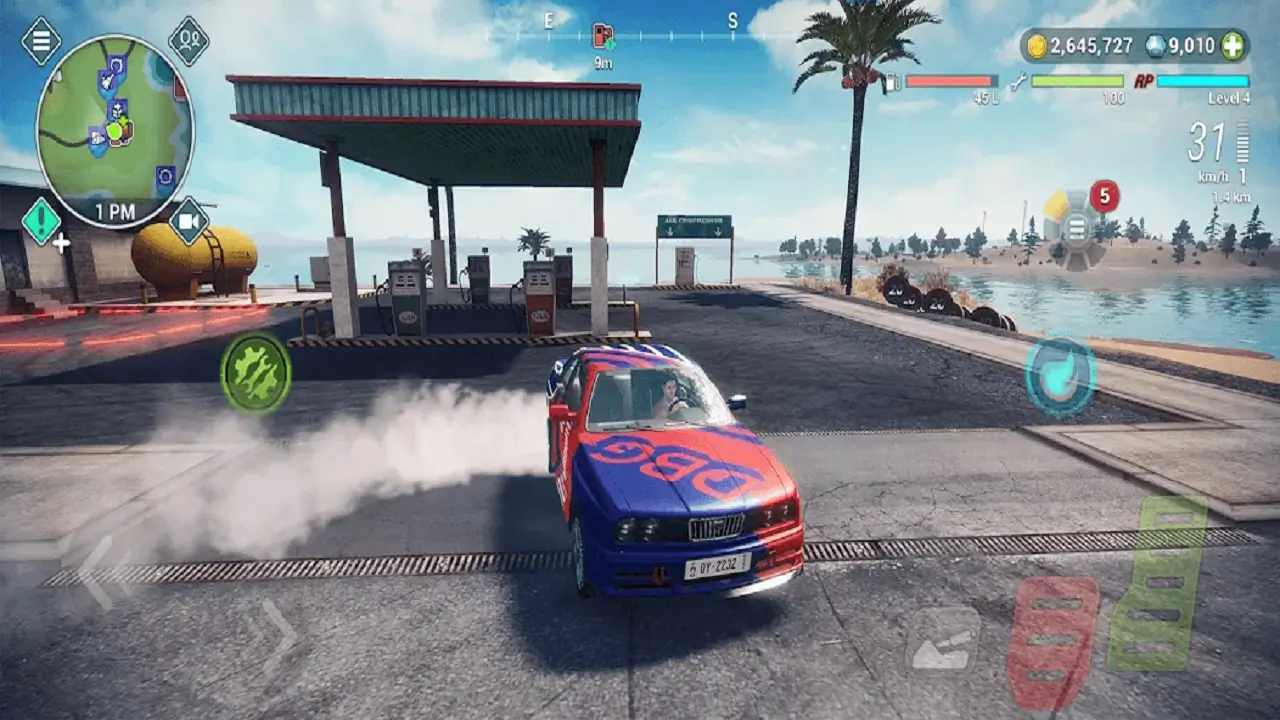
Off The Road 2, commonly shortened to OTR 2, is the sequel to DogByte Games’ original off-road driving simulator. The Hungarian studio first teased the project under the working title “Project Next” before revealing it as a direct continuation of the franchise. The sequel expands on the original in almost every direction: a map reported to be roughly 30 times larger, a wider vehicle roster that includes trucks, 4x4s, supercars, helicopters, planes, and boats, plus a new tuning system built around modular engine control units. Online multiplayer for small groups was also added, which is a meaningfully different engineering challenge than the single-player experience the first game offered.
Why the Official Budget Isn’t Public
One important point worth stating clearly: DogByte Games has never publicly disclosed a development budget for OTR 2, and there’s no indication it plans to. This is normal for small and mid-sized indie studios. Public budget disclosures are rare outside a handful of high-profile cases where a publisher shares numbers for marketing purposes. DogByte is a small, independent team based in Hungary that has been releasing mobile driving games since the early 2010s, and like most studios of that size, its finances aren’t filed anywhere a reader could check. Rather than presenting a fabricated number as fact, the more useful approach is to look at what’s actually known about the project’s scope and compare it against what similar mobile productions tend to cost.
What We Know About OTR 2’s Development
A few details are publicly confirmed and worth anchoring an estimate to. The studio describes itself as a small indie team, and its credits and public presence suggest a core group rather than a large multi-department studio. OTR 2 also had a multi-year gap between its first announcement trailer and its eventual release, which points to a long production cycle rather than a rushed sequel. Long timelines generally mean higher accumulated payroll costs, even for a small team, simply because salaries and tooling expenses add up month after month regardless of team size.
The finished game also launched with features that are expensive by mobile standards: real-time multiplayer for several players at once, a damage and physics system the studio markets as next-generation, and a currency-and-crafting system layered on top of a free-to-play monetization model. Each of those is effectively its own cost center inside a typical production budget, separate from core gameplay programming.
Comparing OTR 2 to Similar Mobile Games
Industry estimates for mobile game development span a wide range, and that’s not vagueness for its own sake — it genuinely reflects how different project types are. Simple casual titles can be built for as little as $10,000 to $25,000 by a small team. Mid-scale indie projects with custom art, a full progression system, and reasonable polish typically land somewhere between $50,000 and $300,000. Feature-rich productions with multiplayer infrastructure, large open worlds, and ongoing live-ops support regularly push past $300,000 and into six or seven figures once post-launch updates are factored in over a year or more.
Given that OTR 2 includes a large open world, multiplayer networking, an aircraft-and-watercraft-spanning vehicle roster, a crafting system, and years of development time, it sits closer to the feature-rich end of that scale rather than a basic mid-scale build. That’s why the $200,000–$750,000 range above leans well above a typical single-player indie release, while still staying short of large live-ops or AAA-level mobile budgets, which routinely run into the millions.
Compared with smaller indie driving games that focus on a single map or a single vehicle type, OTR 2 adds multiplayer, several distinct vehicle classes, and a substantially larger open world. Those additions increase engineering, art, testing, and infrastructure costs in ways a simpler driving game wouldn’t need to absorb, which helps explain why its estimated budget sits above what a typical single-feature indie driving title would cost.
Where the Budget Was Likely Spent
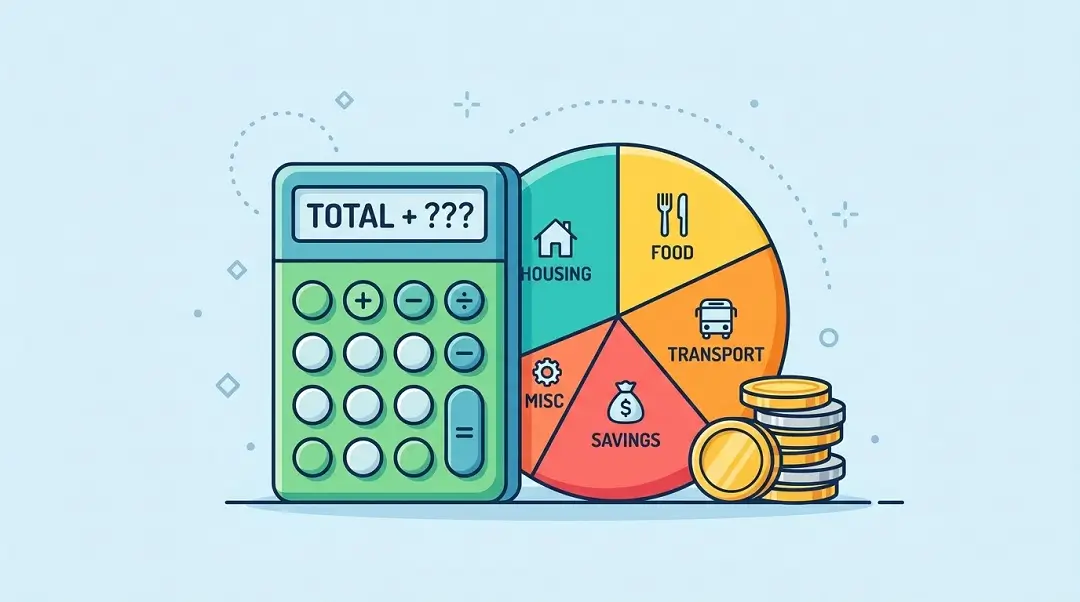
Breaking a budget like this into categories makes the number feel less abstract. Engineering tends to be the largest line item for a game with multiplayer and physics simulation, since both require specialized programming work that’s hard to outsource cheaply. Art and animation come next, particularly with a vehicle roster spanning trucks, aircraft, and watercraft, each needing its own modeling, texturing, and damage states. Backend infrastructure for online sessions, save data, and the in-game economy adds ongoing server costs that continue well after launch rather than ending at release. Quality assurance across multiple device types rounds out the core build cost, and for a studio supporting both Android and iOS, that testing matrix grows quickly.

Marketing Costs
Development cost is only part of the picture. Many mobile studios now budget marketing and user acquisition at 30 percent or more of development spend for an indie release, and that figure climbs sharply for titles chasing strong app store rankings. OTR 2’s download numbers and category ranking shortly after launch suggest the studio invested meaningfully in visibility, whether through paid acquisition, organic carryover from the original game’s fanbase, or both. Sequels to an established franchise generally need less paid marketing than a brand-new title, since an audience is already waiting, which may have helped DogByte stretch its overall budget further.
What Developers Can Learn
If you’re trying to use OTR 2 as a benchmark for your own project, the useful takeaway isn’t a single dollar figure—it’s the pattern behind it. Scope drives cost more than anything else, and multiplayer or physics systems are expensive relative to simpler mechanics. A long timeline with a small team can still produce a polished result if the studio already has genre experience. DogByte had released several driving games before this one, and that experience likely reduced costs a first-time studio would otherwise absorb through trial and error.
Final Verdict
There’s no verified public figure for what OTR 2 cost to build, and any article claiming otherwise is guessing. What can be said with reasonable confidence is that the game’s scope—a massive open world, multiplayer support, varied vehicle types, and a multi-year development cycle—places its likely cost in the $200,000–$750,000 range typical of feature-rich indie mobile productions, well above a bare-bones release. For developers and curious players alike, the more valuable lesson from OTR 2 isn’t the number itself. It’s the patience and incremental feature-building DogByte Games used to get there, something any team working with a limited budget can learn from regardless of the exact figure involved.
How We Estimated the Budget
Since DogByte Games hasn’t disclosed an official development budget, this estimate combines publicly available information about the game’s feature set, development timeline, studio size, comparable indie mobile projects, and general game-development cost benchmarks. It should be read as an informed editorial estimate rather than an official financial figure, and it will be revised if DogByte Games ever shares real numbers.
Sources
This article draws on publicly available material rather than insider figures, including the official Google Play and Apple App Store listings for OTR 2, third-party app-listing aggregators used to cross-check download and ranking data, DogByte Games’ official website and public social media channels, and several independent 2025–2026 articles benchmarking indie and mobile game development costs by genre and feature set.
About the Author
This article was researched and written by the ApkBallo editorial team. We regularly analyze digital marketing, affiliate programs, and online business trends to help readers make informed decisions. Our goal is to publish accurate, up-to-date content that is genuinely useful — not content that simply fills a page. For more breakdowns like this one, visit https://apkballo.com.