
What Is UGC and How to Make Money Creating Content for Brands
Disclosure: This article is for informational purposes only. We do not use affiliate links and earn no commission from any platforms or services mentioned.
Last Updated: June 2026. The UGC industry evolves quickly. Always verify current platform terms, rates, and opportunities directly before making decisions.
If you have been spending time on TikTok or Instagram recently, you have almost certainly watched a UGC video without realizing it. That person holding up a skincare product, talking through their honest first impression, or demonstrating a kitchen gadget in their actual kitchen — that is user-generated content. And in 2026, brands are paying independent creators to produce exactly this kind of content at scale.
What makes this opportunity interesting is the entry barrier. Unlike influencer marketing, where income depends on your following size, UGC creation pays you for the content itself. Your audience count is largely irrelevant. What brands want is your ability to create something that looks and feels real — and that is a skill anyone can develop.
What UGC Actually Means
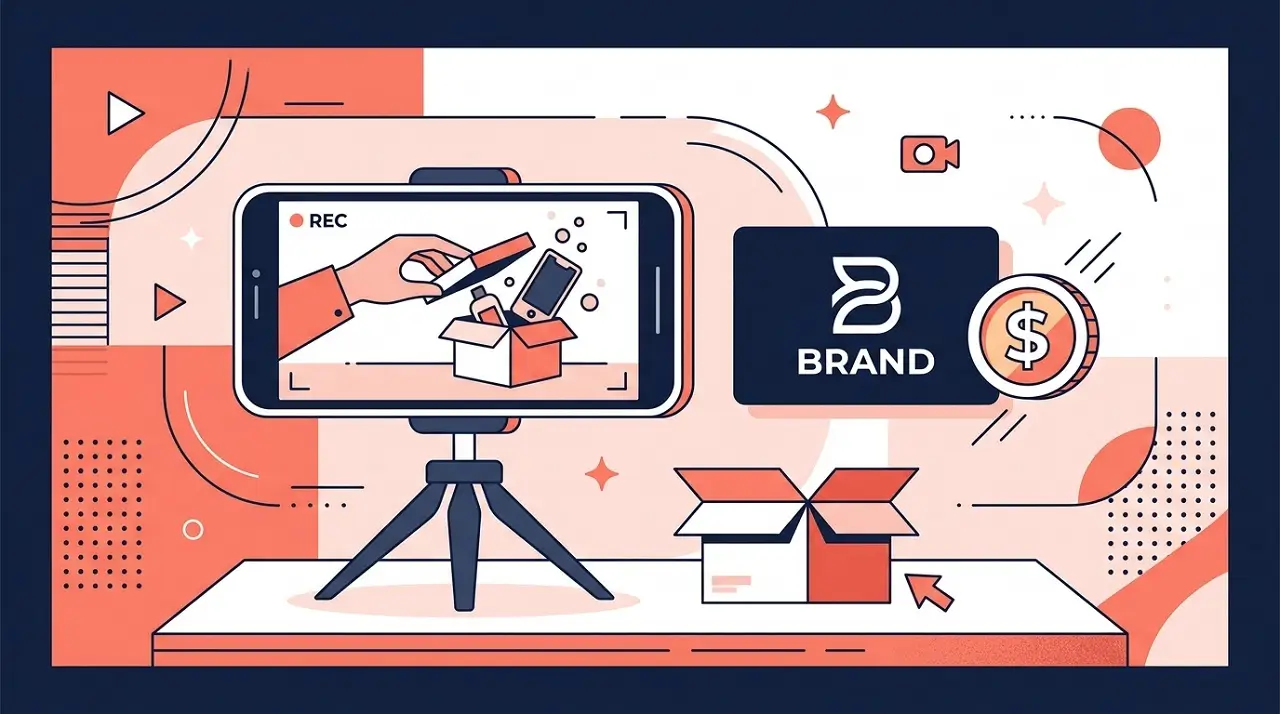
UGC stands for user-generated content. In a marketing context, it refers to content created by real people rather than brand employees or advertising agencies. This includes short-form videos, product photos, testimonials, unboxings, tutorials, and reviews that feel authentic because they come from someone who appears to be a genuine customer.
Brands have always known that people trust other people more than they trust polished advertisements. When a regular person demonstrates a product naturally, without a studio backdrop or a scripted voiceover, it tends to build more credibility with potential buyers than a traditional commercial would.
A UGC creator is someone who gets paid to produce this style of content professionally. The brand receives the finished files and uses them across its own channels — paid ads, product pages, email campaigns, social media accounts. You are being paid for your creative output, not for your reach or follower count.

How UGC Creators Get Paid
There are a few different ways money flows in this space, and understanding them helps you set better expectations from the start.
The most straightforward arrangement is a flat fee per deliverable. A brand briefs you on what they need — a 30-second product review video, for example — you produce and deliver it, and you receive a fixed payment. Rates vary considerably depending on your experience, the complexity of the brief, and the brand’s budget. Beginners typically start at lower rates and increase their pricing as they build a track record of successful deliveries.
Usage rights are a second income layer that many beginners overlook entirely. When a brand wants to run your video as a paid advertisement, use it on their website, or include it in an email campaign, they are extending the commercial use of your work beyond the original brief. Charging separately for usage rights — sometimes called licensing — is standard practice among experienced UGC creators and can meaningfully increase the total value of each project.
Some creators also earn through affiliate arrangements, where they receive a commission each time a viewer purchases using their unique referral link. This blurs slightly into influencer territory but is a recognized part of UGC work, particularly when creators post content on their own channels as well as delivering files to the brand.
What You Actually Need to Start
A professional camera is not required. Most UGC creators work with smartphones, and that is by design rather than limitation. Brands want content that looks like a real person created it — because that is precisely the point. Overly produced content defeats the purpose.
What you need is the ability to speak naturally on camera, hold a viewer’s attention in the opening seconds, and present a product in a way that feels genuine rather than scripted. These are learnable skills that improve noticeably after recording your first twenty or thirty practice videos.
Basic editing capability matters too. Learning a free mobile editing app well enough to produce clean, watchable content is a practical starting point. Clear audio and good natural lighting consistently matter more than expensive equipment.
Building a Portfolio Before Landing Clients
Brands cannot hire your potential. They hire based on what you can show them. This means building sample content before approaching any brand — even if that content was created specifically for your portfolio rather than for a paid project.
Choose one or two product categories you are comfortable talking about. Film several pieces using products you already own. Keep each video focused, natural, and structured simply: introduce the product, show it in use, share an honest reaction. That is the core of most UGC briefs.
Organize your samples in a Google Drive folder, a basic website, or a portfolio platform. The goal is to give a brand a clear and immediate sense of what working with you actually looks like.
How to Find Brands and Get Hired
Several platforms exist specifically to connect brands with UGC creators. Billo, Insense, and Collabstr are among the more active options in 2026, each operating slightly differently in how briefs are posted and how creators apply. Signing up is typically free for creators, and brands post specific content needs you can apply for directly.
Freelance marketplaces like Fiverr and Upwork are another practical route, particularly when starting out. A focused service listing with clear samples and honest pricing attracts brand inquiries without requiring constant active outreach.
Direct pitching to brands whose products you genuinely use is also effective once your portfolio is solid. A concise professional message explaining what you create, linking to your samples, and stating your availability is enough to open real conversations.
What Separates Creators Who Build Consistent Income
The UGC creators who build reliable monthly income share consistent habits. They deliver on time, communicate clearly with clients throughout the process, and treat each project as a reflection of their professional reputation rather than a one-off transaction.
Building repeat relationships with brands matters more than constantly chasing new ones. A brand that rehires you monthly is significantly more valuable than ten one-off projects that require starting the outreach process from scratch each time.
The model rewards consistency, quality, and professional reliability — not viral moments or massive audiences. That is precisely what makes UGC one of the more accessible income opportunities for independent creators in 2026.
About the Author
This article was researched and written by the ApkBallo editorial team. We regularly analyze digital marketing trends, creator economy opportunities, and online income strategies to help readers make genuinely informed decisions. Our goal is accurate, practical content — not idealized promises.