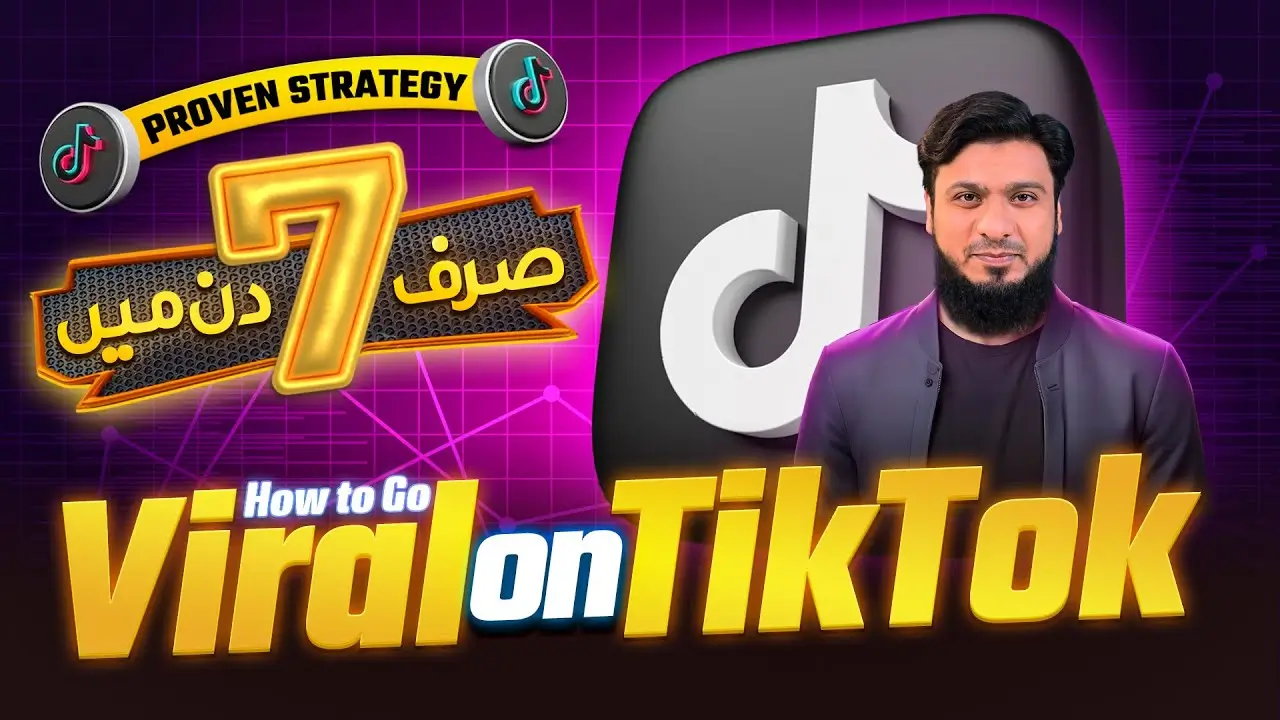
How to Go Viral on TikTok and Earn Money in 2026
Disclosure: This article is for informational purposes only. We do not use affiliate links and earn no commission from any programs mentioned.
Published: June 2026 | Last Updated: June 2026
Getting noticed on TikTok in 2026 is both more accessible and more competitive than it was a few years ago. The platform still rewards authentic, well-structured content — but the bar has risen considerably as more creators enter every niche. After analyzing growth patterns from active creators and reviewing widely discussed TikTok strategy trends, what stands out is this: accounts that grow consistently aren’t simply lucky. They follow repeatable habits that align with how the platform distributes content.
While no single formula guarantees virality, understanding the mechanics behind TikTok’s algorithm — and building content around them — gives any creator a measurable advantage over those posting without a clear strategy.
How TikTok’s Algorithm Works in 2026
TikTok appears to prioritize viewer engagement and content performance signals more heavily than follower count when determining content distribution. This is what makes the platform genuinely different from older social networks. A new account with zero followers can reach a significant audience if the content holds attention — and that’s the key phrase: holds attention.
The signals TikTok tends to prioritize include watch time, video replays, shares, comments, and profile visits. Among these, watch-through rate — how much of your video the average viewer actually watches — appears to carry considerable weight, based on observations widely discussed among active creators and social media analysts.
In recent months, many creators and industry observers have noted TikTok’s increased push toward longer-format content, with videos between one and three minutes reportedly performing well in certain niches. That said, short-form content under 30 seconds still performs strongly in entertainment and trend-based categories. The format that works best tends to depend heavily on niche and audience behavior — which is why reviewing your own analytics regularly matters more than following a universal rule.
The opening seconds of any video have a significant impact on overall performance. If viewers leave immediately, TikTok’s system is less likely to continue distributing that content to wider audiences. This makes your opening frame — both visually and in terms of what you say — worth careful thought.

What Content Tends to Go Viral
Hook-First Storytelling
Content structured around a strong opening question, a surprising premise, or an unresolved tension tends to outperform content that leads with a personal introduction. Opening with something that creates curiosity — rather than explaining who you are — gives viewers a reason to stay past the first few seconds.
Participating in Trends With an Original Angle
Using trending audio or video formats can help content reach beyond your existing audience, since TikTok actively promotes trend participation. However, creators who add a unique or personal angle to a trend generally attract more sustained interest than those who replicate it directly. The goal is to be recognized as part of a trend while offering something the viewer hasn’t already seen.
Educational and Niche-Focused Content
Educational content — sometimes called “edutainment” — continues to perform well across niches like personal finance, health, career development, cooking, and technology. Videos that teach something genuinely useful encourage saves, which many creators and analysts consider a strong positive signal for TikTok’s distribution system. If you can reliably deliver useful, clearly explained content in a compact format, that becomes a repeatable content strategy worth building on.
Building a Following That Sticks
A viral video without a compelling profile often fails to convert viewers into followers. Your bio, pinned content, and posting rhythm all influence whether someone who finds one of your videos decides to follow you.
Posting consistency matters, though quality tends to outweigh raw frequency. Some creators report better results from three to five thoughtful posts per week compared to daily uploads of lower effort — though this varies considerably by niche and audience. The honest answer is that consistency over months matters far more than any single week’s output.
Engaging with comments — particularly in the hours immediately after posting — is a widely recommended practice among active creators. TikTok allows you to reply to comments with a video response, which can itself become a piece of content. This creates a feedback loop that builds community and generates additional distribution opportunities.
How TikTok Creators Earn Money in 2026
TikTok Creator Rewards Program
TikTok’s Creator Rewards Program — which replaced the older Creator Fund — generally offers improved per-view compensation for eligible content. According to TikTok’s Creator Academy, creators typically need to meet minimum follower and view thresholds, post original content of sufficient length, and comply with community guidelines to qualify. Earnings through this program vary widely depending on niche, audience location, video length, and engagement quality. It’s best treated as one income stream among several, rather than a primary revenue source.
Pros: Passive income tied to content performance; no external partnerships required.
Cons: Earnings can be inconsistent; eligibility requirements apply; payouts vary by region and niche.
Brand Partnerships and Sponsorships
Brand collaborations are where many mid-sized and larger creators generate more meaningful income. Brands typically look for creators with strong engagement rates and audiences that align with their target customers — follower count alone is rarely the deciding factor. TikTok’s Creator Marketplace is one platform that connects brands with creators directly. Rates vary significantly based on niche, audience demographics, and the scope of the partnership.
Pros: Often the highest per-video income potential; builds professional credibility over time.
Cons: Requires a defined niche and engaged audience to attract offers; not readily available to early-stage creators.
TikTok Shop and Product Sales
TikTok Shop allows creators to tag products directly in videos and live streams, enabling viewers to purchase without leaving the app. Many creators use this feature to promote either their own products or affiliate products from brands listed in TikTok’s affiliate marketplace. Commission structures and eligibility vary by product and brand.
Pros: Seamless purchase experience for viewers; growing platform support and integration.
Cons: Requires audience trust and relevant product fit; results vary considerably by niche.

Driving Traffic to External Offers
Some creators use TikTok primarily as a top-of-funnel channel — building visibility and then directing followers to a personal website, email list, course, or service. This approach can generate income independent of TikTok’s own monetization systems, which makes it appealing for creators who want more control over their long-term revenue.
Pros: Income is not dependent on TikTok’s policies or algorithm changes.
Cons: Requires additional platforms and systems to be set up and maintained separately.
Common Mistakes That Slow Growth
Deleting underperforming videos prematurely is one of the most frequently cited mistakes among newer creators. TikTok’s system sometimes distributes content days after the original post date, meaning a video that appears to have failed may still gain traction with patience.
Ignoring native analytics is another common issue. TikTok’s built-in dashboard shows audience demographics, watch-through rates, and traffic sources. Creators who review this data regularly and adjust their content approach accordingly tend to improve more quickly than those who post without evaluating what’s working.
Finally, trying to cover too many topics too early often dilutes growth. Accounts focused on a specific niche tend to build clearer audience identity, which generally supports both algorithmic distribution and brand partnership opportunities down the line.
Frequently Asked Questions
How many followers do you need to earn money on TikTok?
It depends on the monetization method. TikTok’s Creator Rewards Program has specific eligibility thresholds, but other income sources — such as brand sponsorships, affiliate promotions, or selling your own products — may become available before you reach those requirements. A smaller, highly engaged audience in a focused niche can sometimes attract brand interest earlier than a large but disengaged following.
Can a brand new TikTok account go viral?
Yes, and this happens regularly. TikTok appears to distribute content based largely on viewer behavior and engagement rather than account age or follower count. A well-structured video from a new account can reach a wide audience if it holds viewer attention from the first few seconds.
How long does it take to grow on TikTok?
Growth timelines vary significantly depending on niche, content quality, posting consistency, and how well the content resonates with its target audience. Some creators see rapid early growth; others build more gradually over several months. Sustainable growth generally comes from consistent effort rather than any single viral moment.
Is TikTok a reliable long-term income source?
Many creators treat TikTok as one part of a broader income strategy rather than a standalone business. Platform policies, algorithm changes, and monetization terms can shift over time, so diversifying across multiple income streams and platforms is generally considered a more stable approach.
Conclusion
Growing on TikTok in 2026 and turning that growth into income is genuinely achievable — but it requires patience, consistency, and a willingness to learn from data rather than assumptions. The creators who build lasting presence on the platform tend to share a few common traits: they understand how content is distributed, they deliver genuine value to a specific audience, and they treat monetization as something that follows trust rather than replaces it.
No strategy guarantees results, and earnings vary considerably depending on niche, effort, and audience engagement. What’s realistic is steady progress, multiple income streams developed over time, and a content approach built on honesty rather than hype.
About the Author
This article was researched and written by the ApkBallo editorial team. We regularly analyze digital marketing, affiliate programs, and online business trends to help readers make informed decisions. Our goal is to publish accurate, up-to-date content that is genuinely useful — not content that simply fills a page.