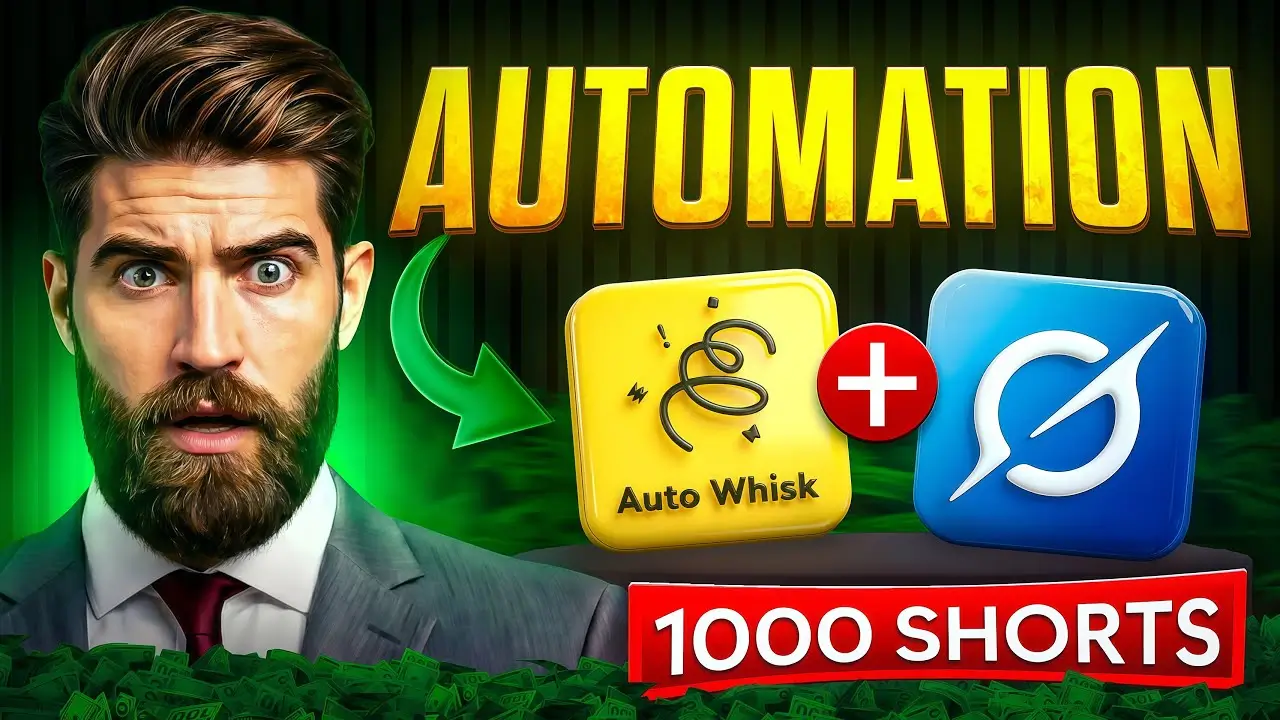
Whisk AI + Grok AI = 1000 Shorts (One-Click AI Automation)
The creation of digital content has changed due to the use of artificial intelligence tools. Creators can currently produce high-quality images, use advanced AI platforms to maintain consistent characters across multiple scenes, and even turn still images into animated videos.
This guide explains the full step-by-step process of:
- Creating images using Google Whisk (FX Tool)
- Maintaining consistency of characters across scenes
- Structuring and refining prompts
- Image to video conversion using Grok AI
- Writing precise scripts, descriptions of images, and instructions for motion
This article is about safety, and is therefore suitable for Google AdSense.
Step 1: Understanding Google Whisk (FX Tool)
Google Whisk (called the FX Tool in Google’s AI ecosystem) lets users create images based on specific texts. Google Whisk is designed for users who want a finer degree of customization for things like style, composition, and character development.
Before you begin, you should:
- Make sure you’re logged into your Google account.
- Go to the Whisk or FX Tool interface.
- Get to know the image generation dashboard.
- Locate the input field for instructions and the upload area for reference images.
Most importantly, the clearer and more structured your creative instructions, the better.

Step 2: Generating High-Quality Images in Whisk
When generating images, follow a structured workflow:
1. Define Your Scene Clearly
Each image should focus on:
- Character appearance
- Environment
- Lighting
- Camera angle
- Mood
- Time of day
Keep your instructions organized. Avoid vague wording. The clearer the description, the better the output quality.
2. Use a Consistent Structure
For professional results, maintain a consistent order in your descriptions:
- Character details
- Clothing
- Expression
- Setting
- Lighting
- Camera view
- Style or realism level
This structured approach improves visual consistency across multiple scenes.
Step 3: Keeping Characters Consistent in Whisk
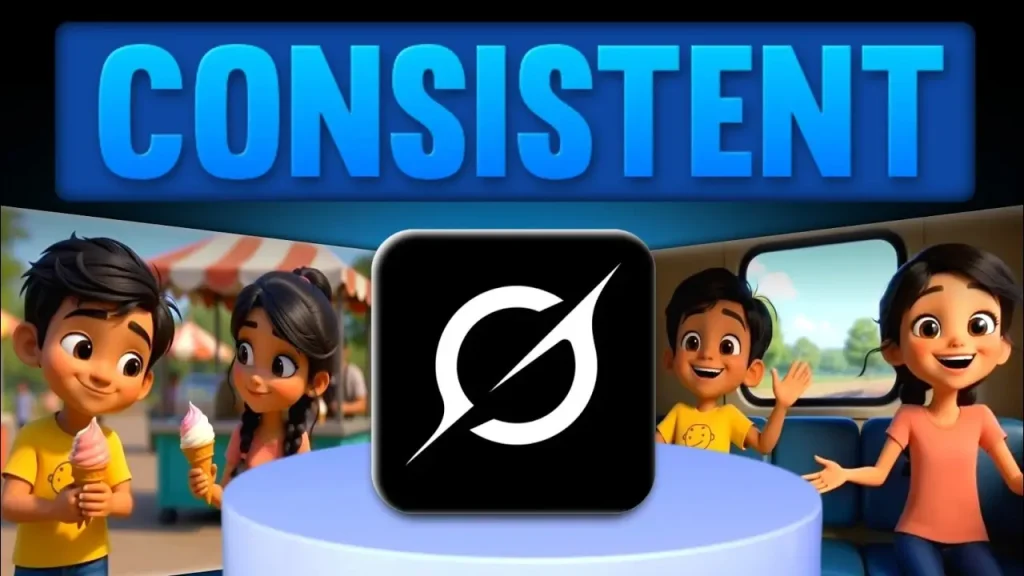
One of the biggest challenges in AI image generation is character consistency. If you are creating a story or series, your character must look the same in every scene.
Here is how to maintain consistency:
1. Use the Reference Image Section
Google Whisk allows you to upload reference images.
- Once you create your first successful character image, download it.
- For upcoming scenes, upload that image into the reference area.
- If the tool permits, modify the reference strength.
- For all subsequent scene generation, use the same image.
This ensures facial structure, clothing, hairstyle, and proportions remain stable.
2. Keep Core Character Descriptions Identical
Do not change fundamental character details across scenes.
Maintain:
- Same height and body type
- Same hairstyle and color
- Same clothing (unless intentionally changed)
- Same facial features
Only modify environment and actions, not the core character identity.
3. Save and Organize Your Character Assets
Create a dedicated folder for:
- Main character base image
- Side angle versions
- Expression variations
This organized approach makes future projects easier and more professional.
Step 4: Preparing Scripts for Image Generation
Before generating multiple scenes, prepare a structured script.
Your script should include:
- Scene number
- Character action
- Emotional tone
- Background description
- Camera perspective
Think visually while writing.
Each scene in your script should correspond to one image. This prevents confusion and ensures story continuity.
Avoid writing long paragraphs for image instructions. Break scenes into clear visual segments.
Step 5: Refining and Testing Your Image Outputs
After generating images:
- Review visual consistency.
- Check facial structure accuracy.
- Verify lighting and background continuity.
- Ensure the character’s proportions are correct.
If needed:
- Adjust your wording slightly.
- Reuse the same reference image.
- Avoid overcomplicating scene descriptions.
Professional creators often generate multiple variations before selecting the final image.
Step 6: Preparing Images for Video Conversion
Before converting images into video:
- Ensure all images have similar resolution.
- Maintain consistent aspect ratio.
- Keep lighting style similar across scenes.
- Use high-resolution exports.
Rename files in sequence (for example: Scene1, Scene2, Scene3). This simplifies the video workflow.
Step 7: Converting Images into Videos Using Grok AI
Grok AI offers motion-based transformation tools that allow static images to be animated into short cinematic sequences.
To convert images into video:
1. Upload Your Image
- Open the Grok AI interface.
- Select image-to-video feature.
- Upload the selected image.
2. Define Motion Instructions
Instead of describing a new scene, define:
- Camera movement (pan, zoom, tilt)
- Character motion (walking, turning, blinking)
- Environmental motion (wind, moving objects)
- Duration of animation
- Cinematic style
Keep motion instructions realistic and minimal for better output.
3. Adjust Duration and Smoothness
Most AI video tools allow:
- Motion strength control
- Frame duration
- Transition smoothness
Avoid extreme movements unless required by your concept.
Subtle cinematic motion often looks more professional.
Step 8: Creating Accurate Motion Planning
Before converting images into video, plan motion separately from image generation.
Your workflow should look like this:
- Script writing
- Image generation
- Motion breakdown
- Video animation
For each scene, write:
- What moves?
- How fast does it move?
- Is the camera static or dynamic?
- Does the environment react?
Clear motion planning improves video realism.
Step 9: Matching Script, Image Description, and Motion
To maintain quality, align three elements:
1. Script
This defines the story and dialogue.
2. Image Description
This defines the visual setup.
3. Motion Description
This defines how the scene comes alive.
These three must match.
If your script says the character is calm, your image and motion should not show exaggerated movement.
Consistency across all layers creates professional results.
Step 10: Final Editing and Assembly
After generating animated clips:
- Download each video segment.
- Combine them in video editing software.
- Add background music.
- Insert voice-over.
- Adjust transitions.
- Color grade if necessary.
Keep pacing smooth and avoid abrupt cuts.
Best Practices for Professional AI Content Creation
- Always maintain character reference images.
- Avoid constantly changing visual styles.
- Keep lighting consistent.
- Use organized folders.
- Test motion in short clips before rendering long sequences.
- Plan before generating.
Consistency is more important than complexity.
Conclusion
By combining Google Whisk for image generation and Grok AI for animation, creators can build complete visual stories without traditional filming equipment.
The key to success lies in:
- Structured scripts
- Organized character references
- Consistent visual descriptions
- Thoughtful motion planning
- Careful video assembly
When done correctly, this workflow allows creators to produce professional, cinematic content efficiently and creatively.