How to Charge Your Electric Car at Home Safely
Charging an electric vehicle at home gives the highest level of convenience to modern car owners. It enables a complete charge during the night without the delays that come with public charging stations. The practice of charging at home also leads to a significant reduction in the long-term costs of electricity for the car. But safety should always be the first consideration.
Electric cars receive a lot of power and consume it for a long time. If not rightly installed, the wiring can become very hot and eventually ruin the home systems. Bad planning is a common cause of fires and electrical failures. A safe installation shields your house, car, and family from harm.
This manual gives clear and practical instructions for safe home charging. It deals with the everyday problems that the electric vehicle owners face. Each part refrains from using technical language and points out safety practices that are already proven.
Why Home EV Charging Safety Matters
Electric vehicles do power draw continuously for several hours. The majority of the houses were not originally set up for such a high demand. Old wiring and panels might have a hard time coping with the continuous loads. This amplifies the risk of overheating and breaker failure.
Unsafe charging configurations can hurt the appliances in the house. Sensitive electronics can be affected by the fluctuations in voltage. Insurance claims may be rejected in case of improper installations. A safety plan helps to avoid expensive long-term consequences.
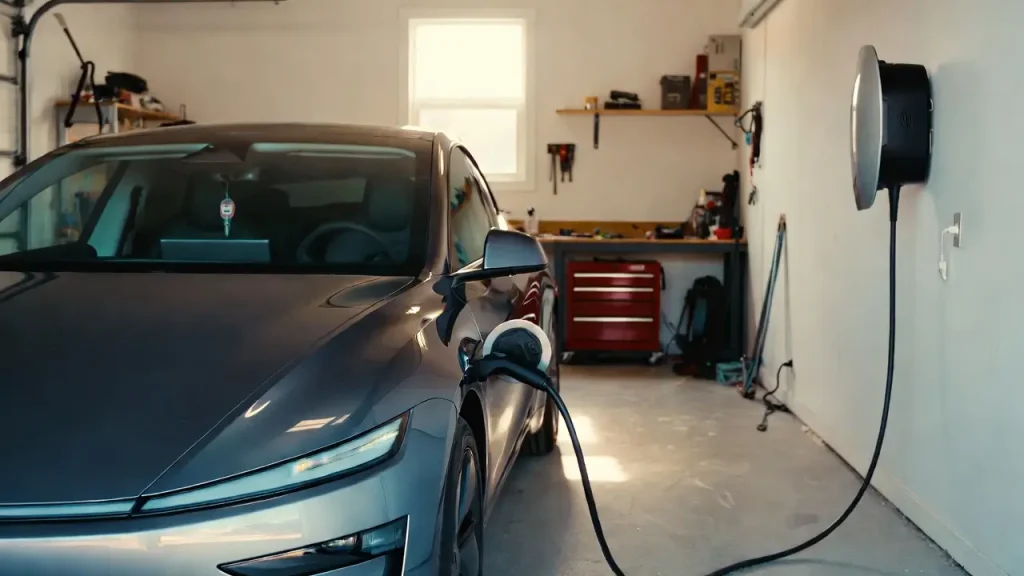
Correct charging habit benefits the battery health in the long run. Controlled electricity flow keeps the heat from getting too much. Also, through the safe charging, vehicle performance is made consistent. When the systems work within their design limits, reliability gets better.
Understanding Home Electric Vehicle Charging
Electric car charging is nothing but the transfer of electricity to lithium-ion battery packs. However, this requires very accurate control of both the voltage and the current. Instability in the power supply will lead to less efficient charging and may even cause a reduction in the life of the battery.
Typically, home charging takes place at night when electricity consumption is at its lowest. The demand for electricity stays lower during the night. Hence, the power grids in the area are under less strain. To encourage night-time electricity use, many utility companies provide discounts.
The pace of charging is determined by the capacity of the electrical supply. With higher voltage, the charging can be done quickly and safely. On the other hand, charging at lower voltage would take a long time. It really matters to select the right method.
Also Read: Top 2 Luxury Electric Cars Americans Love Most
Types of Home Electric Car Chargers
Level 1 Charging at Home
Level 1 charging utilizes regular household sockets and does not need any new installation of equipment. It is suitable for a daily driving range not exceeding this particular method. The charging rate, however, is still very low.
A full charge can take as long as three days or even more depending on how frequently the vehicle is driven. Daily usage can make it hard on the older electrical outlets. Then, finally, there are cases of outlet overheating that can make it unsafe to use. This calls for regular checking for safety reasons.
Level 1 charging is a solution that fits mainly very short-range commuting. It is a less preferred option for people who have to drive for long distances frequently. The majority of car owners will eventually switch to the more advanced charging systems.
Level 2 Charging at Home
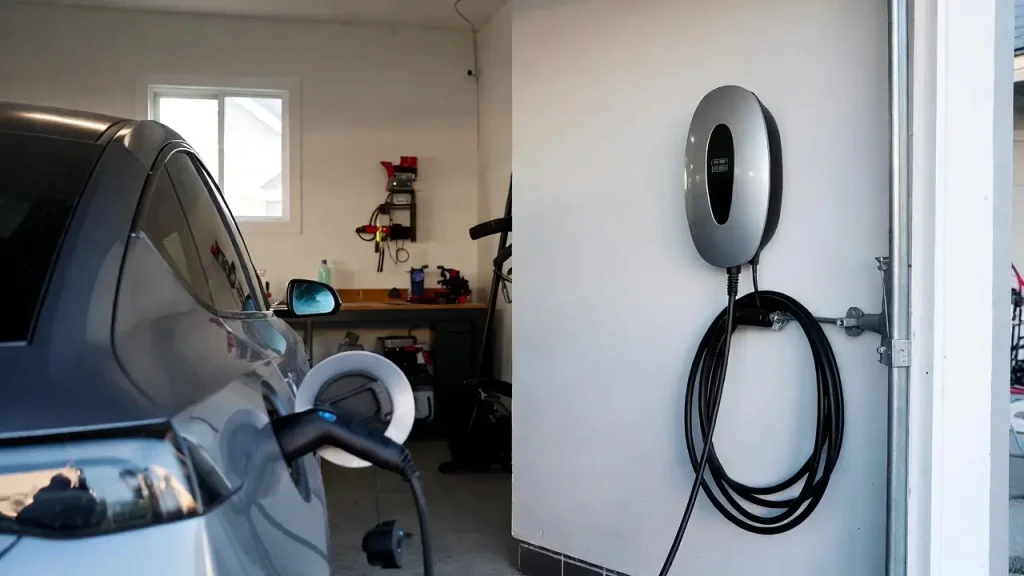
Charger level 2 is powered by 240-volt circuits. For safety reasons, professional installation is mandatory. Charging time is significantly reduced. It is now realistic to completely replenish the battery during the night.
Overloading is less likely to happen with dedicated circuits. A large number of EV drivers go for the Level 2 setups. They win in terms of comfort, quickness, and security. This is still the suggested solution for homes.
Smart aspects contribute to better energy monitoring. The user’s knowledge of the electricity usage gets increased.
Why Level 3 Charging Is Not Suitable at Home
Level 3 chargers need an industrial-grade electrical supply. Such power levels cannot be handled by residential systems. Heat generation gets very high. The cost of installation goes beyond practical limits.
These chargers are meant for commercial stations. Home installation is very risky. It is against local codes to set up chargers at home. It is better for homeowners not to get involved with them at all.
Also Read: Best Affordable Family EVs USA 2026
Electrical Panel Inspection Before Installation
Electrical panels must support additional charging demand. Older homes often lack sufficient amperage. Breakers may trip frequently under load. This indicates system limitations.
Licensed electricians should inspect panels thoroughly. They check wiring condition and capacity. Panel upgrades may be necessary. This step prevents dangerous overloads.
Skipping inspections increases fire risks significantly. It also violates electrical safety codes.
Choosing the Right Home EV Charger
Select only charging equipment that has been certified. UL certification guarantees that the product has been tested against safety standards. Certified chargers are equipped with adequate heat protection. Moreover, these chargers comply with the electrical requirements set at the national level.
Do not use the cheap and uncertified chargers. Generally, these kinds of chargers do not have any internal protection mechanisms. Overheating and short circuiting are going to happen very frequently. The initial saving of money is going to turn into a major repair risk later on.
In addition to being smart, chargers have more safety features. They keep track of the energy consumption all the time. In case of a fault, the users are promptly notified by the alerts.
Professional Installation Requirements
High-power chargers must be professionally installed. DIY installations frequently cause wiring errors. Incorrect grounding increases shock risks. Loose connections generate excessive heat.
Electricians ensure proper breaker sizing. They also verify grounding effectiveness. Permits may be required locally. Permits confirm compliance with safety regulations.
Professional installation protects insurance coverage. It also increases system reliability.
Also Read: Top 10 Electric Cars Americans Love in 2026
Outlet and Wiring Safety Essentials
EV charging absolutely requires dedicated circuits. The use of common circuits raises the risk of overload to a very high level. Overheating during charging sessions can cause different appliances to fail. Dedicated wiring is the only solution to eliminate these problems.
The utmost requirement for the outlets is to be of the same type as the specifications of the charger. The overheating of the incorrect outlets reaches the maximum very fast. The melting of wiring insulation may happen due to stress. This certainly poses a fire hazard.
Never use the extension cords. They do not have a rating for EV loads.
Choosing a Safe Charging Location
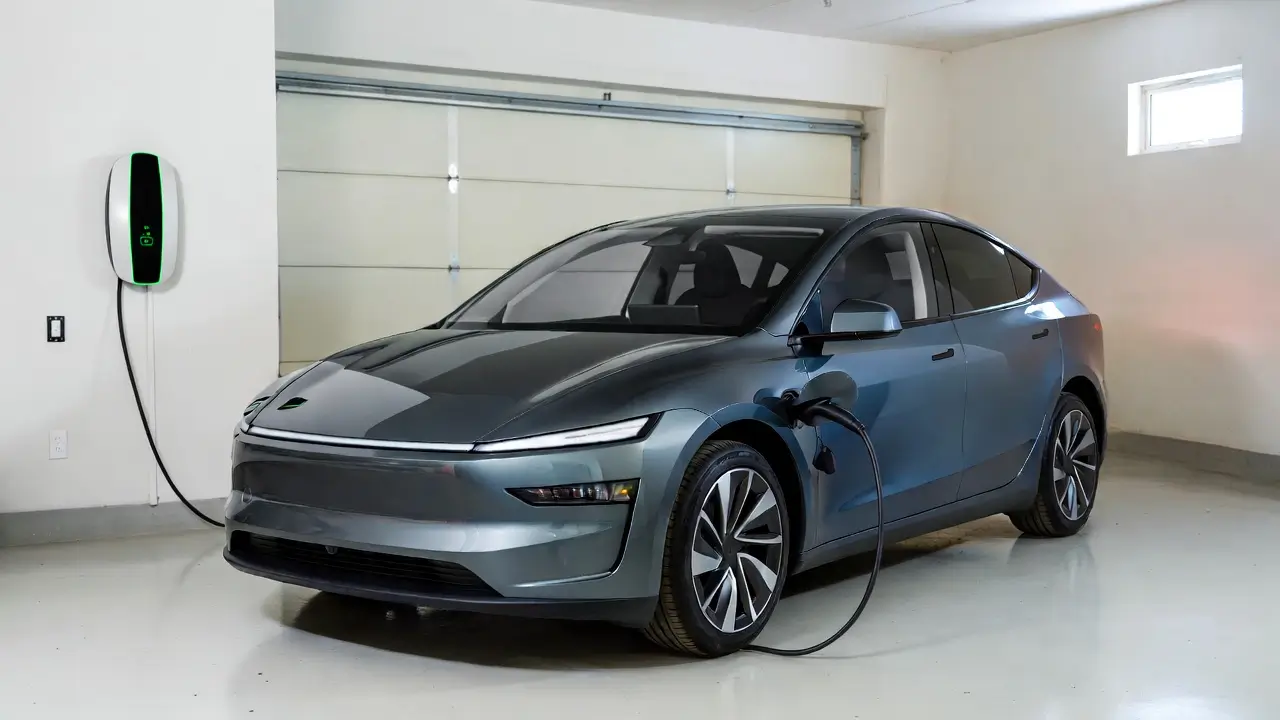
Garages offer controlled charging environments that are very favorable. They also protect the equipment from being exposed to the weather. The indoor temperature is more stable, which is better for the charger.
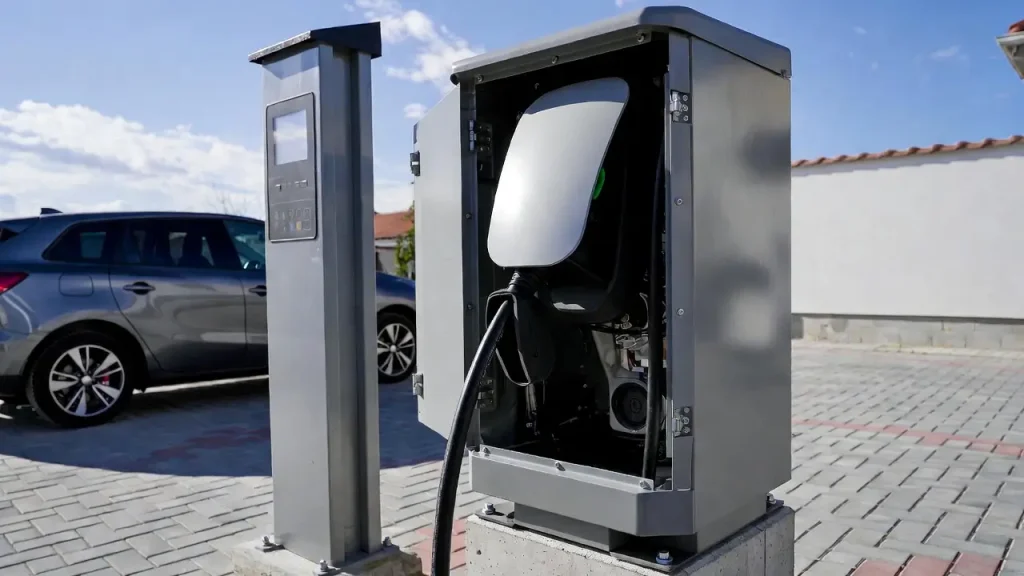
Adequate outdoor installations call for weather-rated equipment. Moisture adds to the hazards of electric fires. Enclosures should be sealed tightly. Ground raising stops water from gathering.
Good airflow keeps the system from getting too hot. Ventilation increases the performance for the long run.
Fire Prevention Best Practices
It is very important not to keep any flammable materials in the charging areas. Avoid storing any gasoline nearby. The presence of cardboard and chemicals can increase the risk of fire. Safety is increased when the area is clear.
Occasionally check the cable temperatures. Hot cables can signal resistance problems. Overheating is a sign that there is an immediate problem. If overheating is noticed, disconnect charging right away.
Put smoke detectors in close proximity to garages. Early detection means less damage to property.
Cable Management and Connector Care
Loose cables create tripping hazards. They also suffer physical damage. Bent connectors reduce charging efficiency. Proper storage prevents wear.
Use wall-mounted cable holders. Keep connectors clean and dry. Avoid sharp cable bends. Gentle curves preserve internal wiring.
Replace damaged cables immediately. Do not attempt repairs.
Smart Charging and Energy Management
Smart chargers schedule off-peak charging automatically. This reduces electricity costs significantly. Load balancing prevents household overloads. Energy distribution becomes more efficient.
Mobile apps provide real-time monitoring. Alerts notify owners of interruptions. Usage history helps optimize charging habits. Smart systems increase safety and savings.
Weather and Environmental Considerations
Extreme temperatures affect charging efficiency. Cold reduces battery acceptance rates. Hot climates increase cable wear. Environmental protection matters greatly.
Shade improves outdoor charger longevity. Weather-rated housings resist moisture damage. Temperature-resistant cables perform better year-round. Choose equipment accordingly.
Child and Pet Safety Measures
Install chargers beyond children’s reach. Curious handling causes accidents. Lock connectors when not in use. Prevent unauthorized access.
Educate family members about electrical risks. Awareness reduces unsafe behavior. Pets should not access cables. Protective covers help.
Maintenance and Routine Inspections
Inspect chargers monthly for damage. Look for discoloration or melting. Check mounting stability. Loose units strain wiring.
Annual professional inspections are recommended. Electricians detect hidden issues early. Preventive maintenance reduces failure risks. Longevity improves with care.
Common Home Charging Mistakes
Using uncertified chargers creates hazards. Skipping professional installation increases risks. Overloading existing circuits causes failures. Ignoring warning signs worsens damage.
Charging with damaged cables is dangerous. All these mistakes are preventable.
Home EV Charging Cost Overview
Installation costs vary by home condition. Panel upgrades increase expenses. Long-term savings remain substantial. Electricity costs less than gasoline.
Safe installations prevent expensive repairs. Proper planning saves money.
Home EV Charging Safety Table
| Safety Area | Best Practice | Risk If Ignored |
|---|---|---|
| Electrical Panel | Professional inspection | Overload |
| Charger Type | Certified Level 2 | Fire |
| Wiring | Dedicated circuit | Overheating |
| Installation | Licensed electrician | Code violation |
| Maintenance | Monthly checks | Failure |
Charging Speed Comparison Table
| Charging Level | Voltage | Typical Duration |
|---|---|---|
| Level 1 | 120V | 20–40 hours |
| Level 2 | 240V | 6–10 hours |
Legal and Code Compliance
Local electrical codes vary by region. Always follow municipal regulations. Permits may be mandatory. They ensure safety compliance.
Insurance claims often require proof. Non-compliance risks denial. Proper documentation protects homeowners.
Long-Term Benefits of Safe Home Charging
Safe charging improves battery lifespan. Electrical reliability increases household safety. Peace of mind matters daily. Proper setups add property value.
Electric vehicle ownership becomes stress-free. Safety ensures lasting satisfaction.
Final Thoughts
Charging your electric car at home is safe when done correctly. Preparation prevents serious risks. Invest in quality equipment. Follow professional guidance consistently.
Safety protects your home, vehicle, and future.